Grant Work
Securing grant work is crucial for our research and ultimately our vision for creating a cleaner and brighter future.
Below you will find the grant work we have obtained for a range of research projects relating to our polymer technology, and the extraction and recycling of rare or harmful compounds.
Innovate UK Grant
DEFRA Grant
CERAS Grant
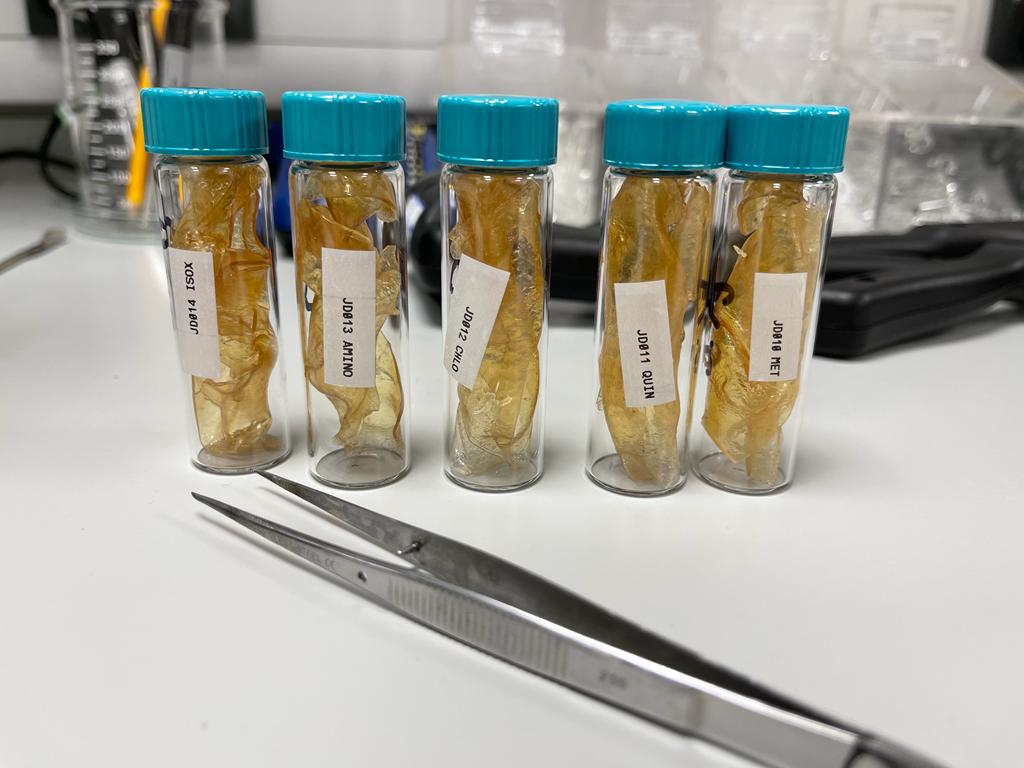
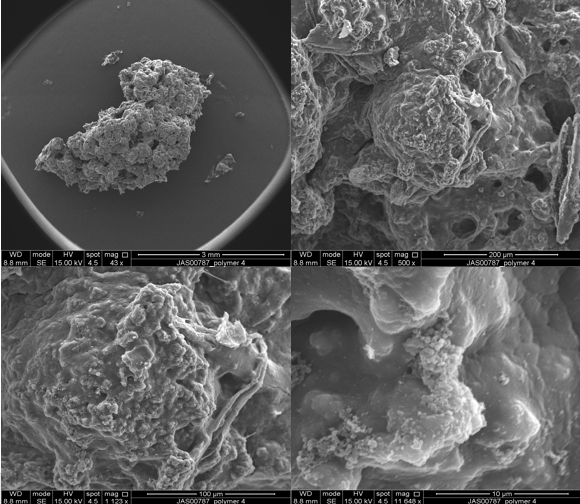
Grant Work Examples
2024
Removal of nitrogen from agricultural runoff. EPSRC University of Lincoln/Cambridge. July 2024 to January 2026.
Design of a conductive polymer material for the trapping and destruction of CWA for its use in air filters and protective coatings. DSTL. Developed with own funding due to DSTL lack of funding.
2023
A Sustainable Solution for the Recovery of Scandium and Yttrium from UK generated TiO2 Waste. Critical materials for magnets: Strand 2. Innovate UK. October 2023 to March 2025.
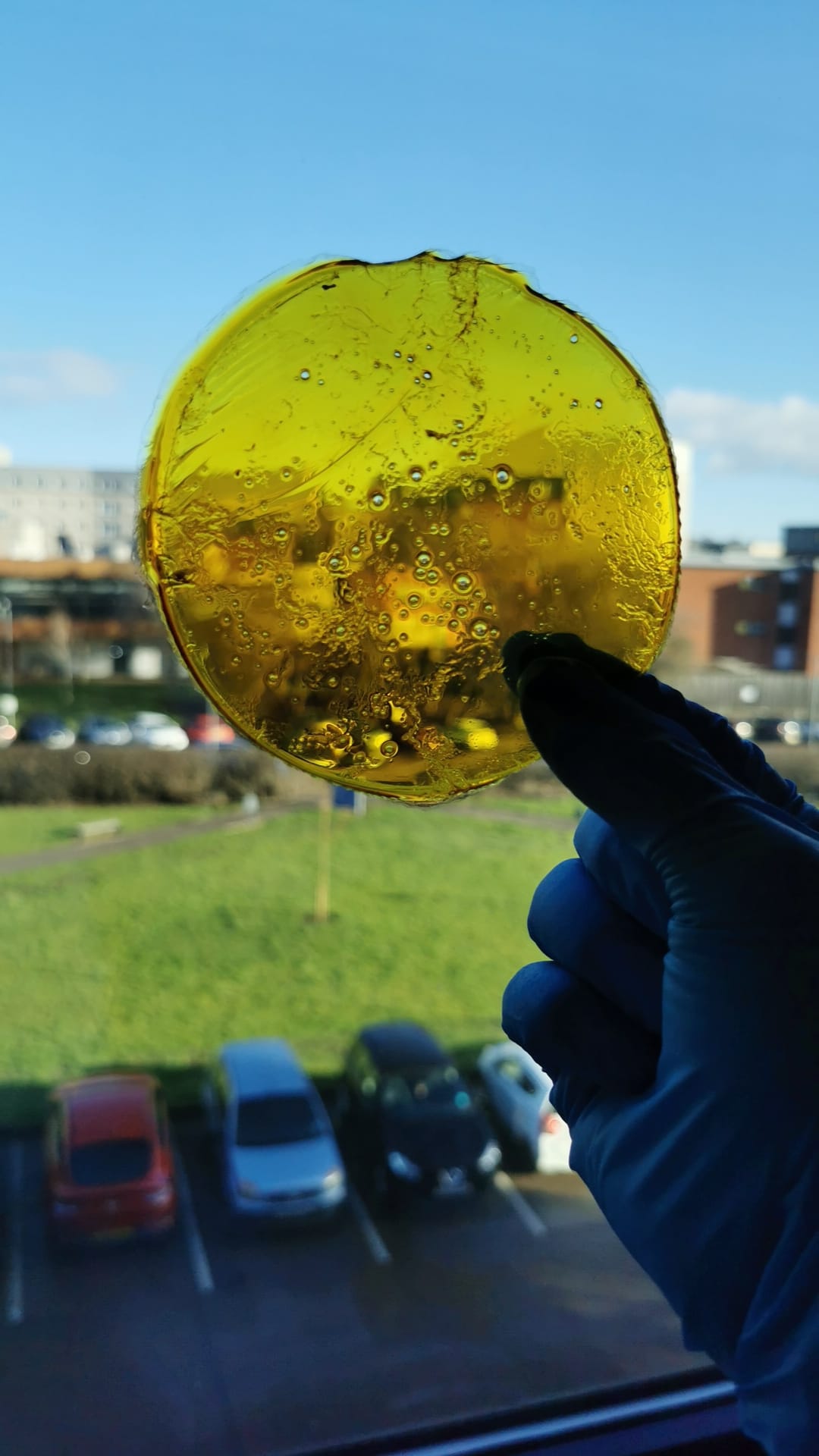
Use of innovative rhenium polymers to trap ammonia. Innovate UK: SBRI-DEFRA- Reducing pollution resulting from domestic burning or agricultural practices: Phase 1. August-October 2023.
2022
Molecularly Imprinted Polymer (MIP) Technology for Rare Earth Metals and Other Analytes
HEIF/Impact Accelerator Fund
£10,000 (March 2022-July 2022)
2021
IC10C2; Smart water filters for pesticide removal.
University of Cambridge CERES Connected Agritech.
£16,801 (January 2021-July 2021) Proof of concept.
2020
Research internal funding University of Lincoln. 18. Rare metal extraction. COS721.
Research Internal funding University of Lincoln.
£10,000 (March 2020-August 2020).
2017
Knowledge Transfer Partnership (KTP). KTP010899. Cost effective process for generating vanadium electrolyte from waste materials.
Innovate UK.
£152,206 (2017-2019) 3.
2015
Knowledge Transfer Partnership (KTP). KTP009924. Efficient use of global mineral resources to minimise the impact on the environment by further enhancing the recovery of vanadium, molybdenum and nickel from refinery residues technology.
Innovate UK.
£112,999 (2015-2017).
2014
Development and testing of molecular imprinted polymers for the recovery of valuable or dangerous elements.
Research Internal Funding (RIF) University of Lincoln.
£60,000 (September 2014-2017).
2010
Recycling of Rhenium from superalloys “RHENEX”, Higher Education & Regional Fellowships (HERF)
East Midlands Developing Agency.
£16,000 (October 2010-September 2011).