Background
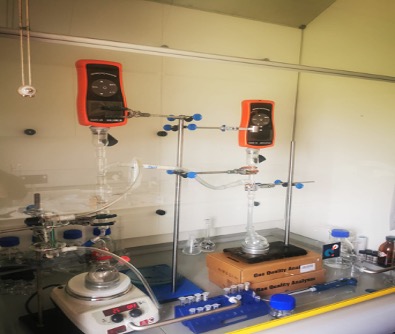
Recognising ammonia gas as a significant pollutant emitted predominantly from agricultural activities in the United Kingdom is important. Funded by DEFRA, ESE initiated a project aimed at developing selective polymer-based filters to trap and decompose ammonia, thereby reducing its environmental and public health impact.
Project Focus
The core objective of this project is the design and fabrication of polymeric materials and composites tailored for the selective capture and decomposition of ammonia gas from agricultural residues and emissions. The research addresses the harmful nature of ammonia, which not only poses direct health risks to humans and ecosystems but also acts as a precursor for secondary reactions that produce more toxic compounds under certain atmospheric conditions.
Key Achievements
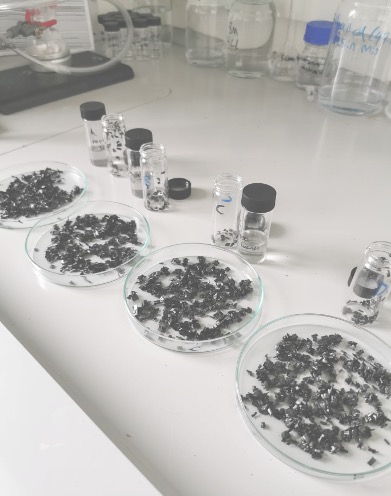
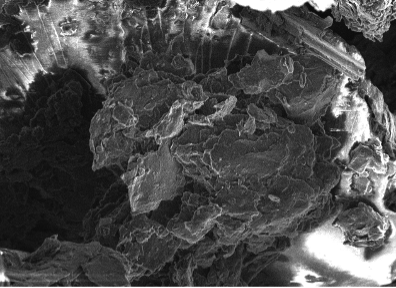
- Material Design and Development: ESE has developed specially computationally designed polymers with functional groups that selectively interact with ammonia molecules, enabling their effective capture from gas streams. (Fig1 and Fig 2)
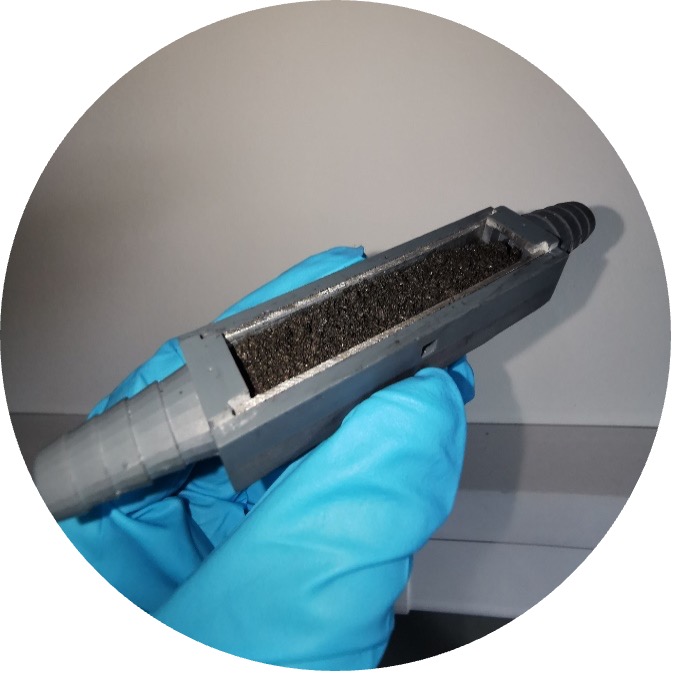
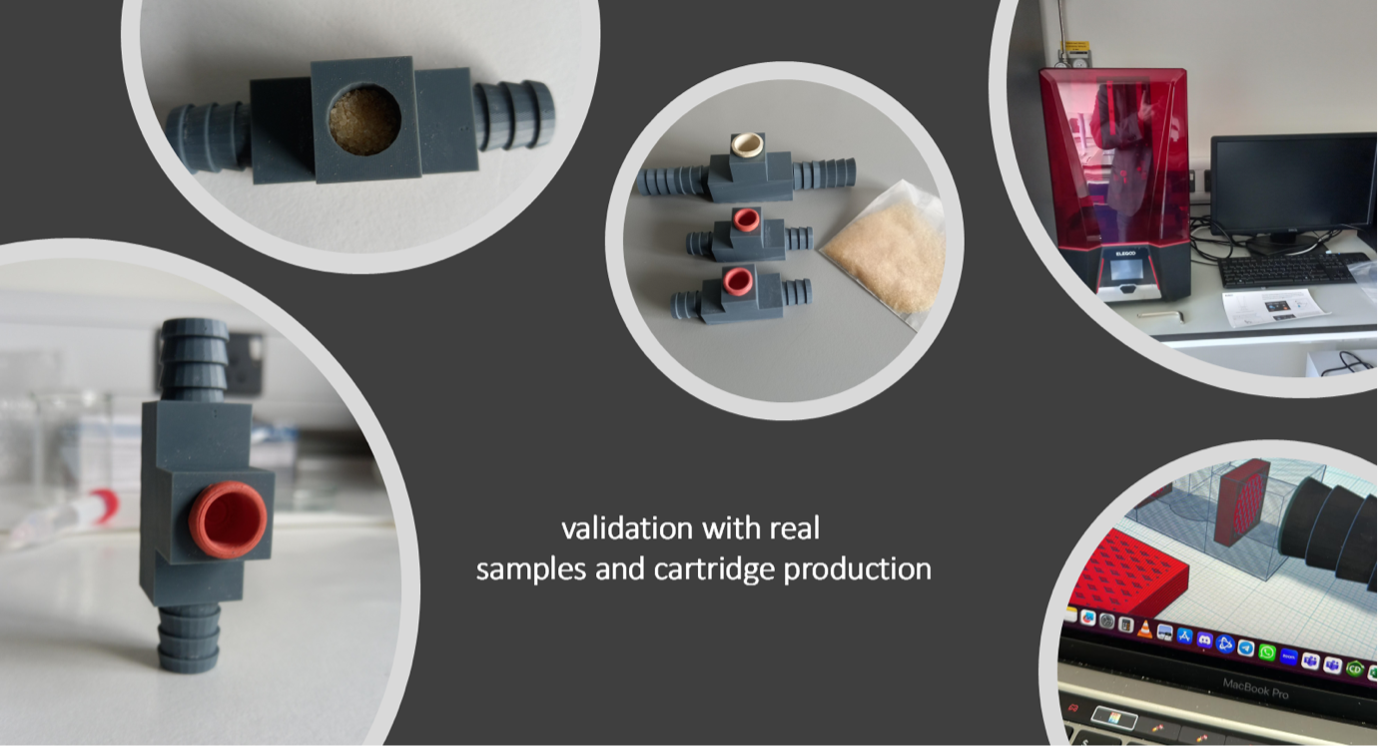
- Filter System Prototyping: The project envisages these polymers to be integrated into simple, efficient, and low-cost filter systems that can be easily fitted to combustion exhausts, ventilation systems, or emission points in agricultural settings without disrupting operations. (Fig3 and Fig 4)
- Environmental Impact Mitigation: The technology offers a practical solution to drastically reduce ammonia emissions at the source, aligning with national targets for air quality improvement and ammonia reduction strategies.
- Economic and Sector Relevance: The approach ensures minimal economic disruption to the agricultural sector by providing a manageable and affordable solution, supporting farmers and agricultural businesses in meeting environmental compliance in a cost-effective manner.
- Knowledge Base: Building on ESE’s expertise in polymer chemistry, material science, and environmental engineering, this project further expands the portfolio of functional materials capable of selective gas filtration and decomposition applications.
Future Directions
ESE aims to extend this work by optimising the decomposition aspect of the trapped ammonia, exploring catalytic polymer designs that can convert ammonia into benign or reusable products, such as hydrogen (Fig 3.) Additionally to the lab testing regime in gas lines (Fig 5), field trials in agricultural settings are planned to validate performance under real-world conditions, paving the way for commercial-scale implementation that contributes to a cleaner atmosphere, healthier ecosystems, and more sustainable agricultural practices.